NATIONAL SIGNING SERVICES
Build A Signing Service That Citizens, Businesses, And Agencies Can Rely On
National digital services need signing that works across agencies, sectors, and citizen journeys. Cryptomathic Signer helps governments, trust service operators, and digital identity programs deliver reusable remote signing infrastructure for qualified and advanced electronic signatures.
Designed For The Organizations Behind National Signing Services
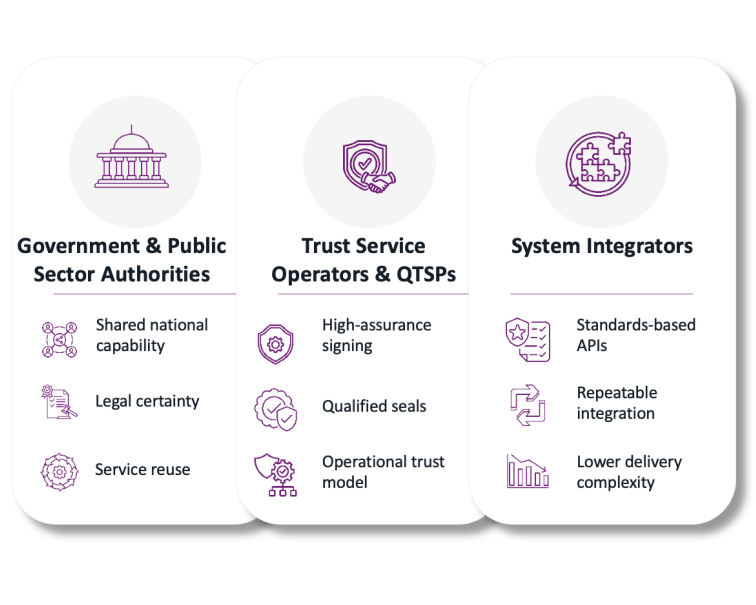
Governments & Public-Sector Authorities
Create a shared signing capability that can support multiple agencies, services, and user groups. Standardize the way signatures, seals, policies, and evidence are handled across digital public services.
Trust Service Operators & QTSPs
Build remote signing and sealing services around a compliance-oriented platform designed for high-assurance environments, qualified signatures, qualified seals, and secure signing credential management.
System Integrators
Integrate signing into public-sector workflows using standards-based APIs and modular components. Reduce custom signing logic across projects and give agencies a repeatable path to trusted digital transactions.
Build Once. Reuse Across Public Services.
A national signing service should not be limited to a single portal, agency, or document type.
With Signer, governments and trust service operators can create a signing foundation that can be reused across many public-service domains. Agencies can integrate signing into their own workflows while relying on a shared architecture for signing policy, credential activation, sealing, timestamping, and evidence.
That makes it easier to expand digital signing from one use case to many without creating a new trust model every time.
Turn Signing Into Shared National Trust Infrastructure
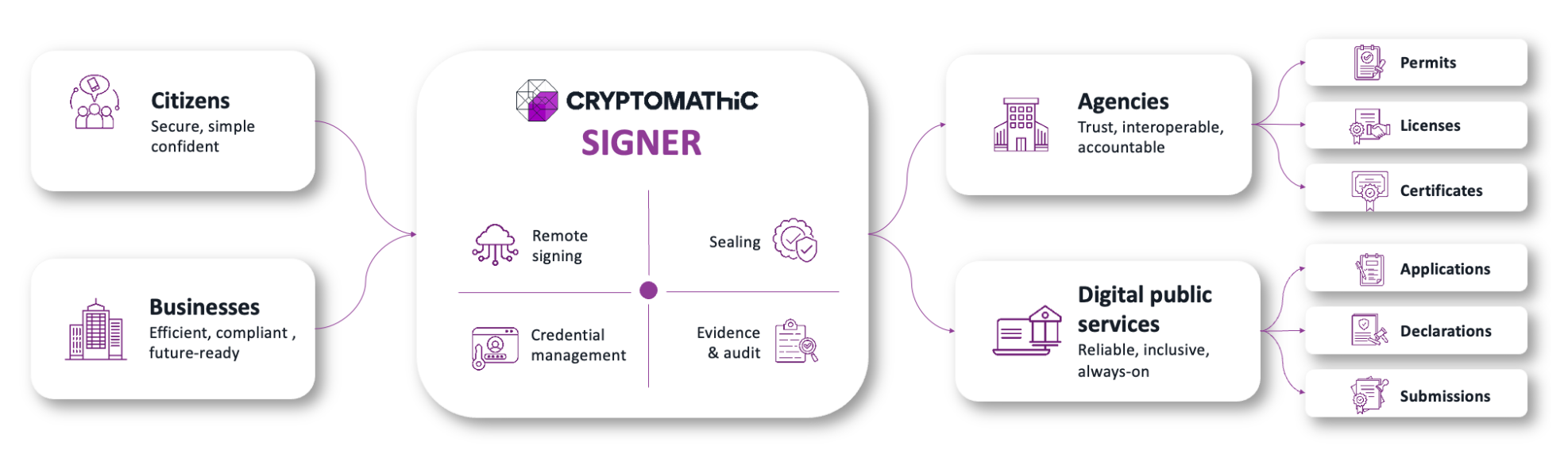
Connect citizens, businesses, and agencies through a trusted signing layer
Digital Public Services Depend On Trusted Signing
As public services move online, signing becomes part of the national trust layer.
Citizens need to sign applications, declarations, permits, agreements, and public-service forms. Businesses need to submit signed or sealed documents. Agencies need consistent evidence, policy enforcement, and legal certainty across digital workflows.
Without a shared signing service, each agency or program can end up solving the same problem separately. That creates fragmented integrations, inconsistent assurance levels, duplicated controls, and more work for the system integrators expected to connect everything.
A national signing service gives public-sector organizations a reusable foundation for legally robust digital transactions.
The Challenge
National signing services are complex because they need to serve many users, many workflows, and many public-sector systems at once.
Common challenges include:
→ Public services still depend on print-sign-scan or manual document handling
→ Agencies implement digital signing in different ways
→ Digital signing is offered as a service to citizen, but used in private contexts
→ Identity, authorization, signing, sealing, and evidence are handled inconsistently
→ System integrators need stable APIs and standards-based components
→ Existing signing tools are difficult to scale across agencies and service domains
→ High-value workflows require stronger assurance than generic e-signature tools can provide
→ Audit, compliance, and operational responsibilities must be clear before the service scales
The issue is not only how to capture a signature. It is how to create a trusted national signing service that can scale across public digital infrastructure.
What Cryptomathic Signer Enables
Qualified & Advanced Remote Signing
Support high-assurance signing workflows, including Advanced and Qualified Electronic Signatures, from a remote signing platform designed for regulated environments.
Signing & Sealing In One Platform
Enable both natural-person signatures and organizational seals, so the same foundation can support citizens, businesses, public employees, agencies, and legal entities.
A Reusable Trust Foundation
Give agencies, portals, and system integrators a common signing service instead of requiring each workflow to build and maintain its own trust stack.
Clear Signing Journeys
Use WYSIWYS document visualization to help signers see what they are signing, with traceability across the signing process.
Standards-Based Integration
Connect Signer to existing digital services through REST APIs, CSC-based signing interfaces, OAuth 2.0 support, and OpenAPI documentation.
Flexible Deployment
Deploy Signer on-premises, as a managed service, or in a hybrid model depending on sovereignty, operational, and regulatory requirements.
Common National Signing Service Workflows
The value increases when these workflows use a shared signing foundation rather than separate point solutions.
A national signing service can support a wide range of public digital services, including:
Citizen applications and declarations
Permit and license workflows
Public benefits and social service documents
Tax and government reporting processes
Business registrations and company submissions
Procurement and supplier documents
Agency approvals and internal decisions
Municipality and regional government workflows
Sealed documents issued by public bodies
Signed documents exchanged between agencies, citizens, and businesses
Where Signer Fits
Signer is designed for national-scale signing services where trust, legal certainty, integration, and operational control matter.
It is a strong fit for:
- National digital government programs
- Public-sector signing services
- eID and digital identity ecosystems
- Trust service operators and QTSPs
- Public-sector system integrators
- Citizen-facing service portals
- Agency and municipality workflows
- High-assurance document signing and sealing services
Signer is especially relevant where public-sector organizations need to reuse existing identity systems, workflow platforms, document services, and agency applications rather than replace them.
Wallet-Ready Signing Journeys
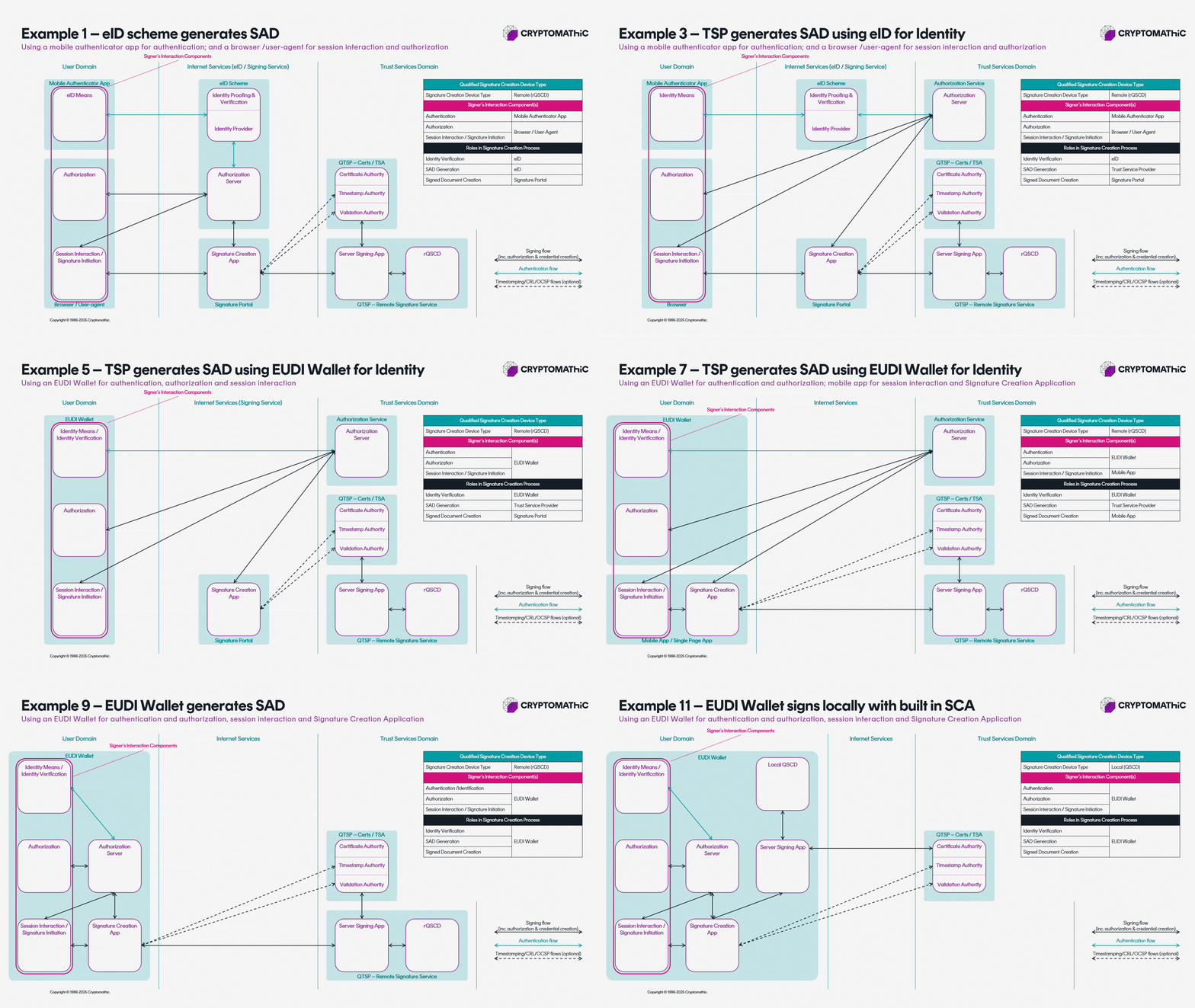
Digital identity wallets are becoming an important part of national digital identity ecosystems. For national signing services, wallets can help users identify themselves, present verified attributes, and move through signing journeys with less friction.
Cryptomathic Signer can sit behind these wallet-enabled journeys as the trusted signing and sealing layer. Wallets support the identity and user-interaction side of the journey. Signer supports the high-assurance signature, seal, credential activation, document handling, timestamping, and evidence layer.
This keeps the signing service flexible as governments and trust service operators expand from today’s eID systems toward wallet-based digital identity models.
REFERENCE PROCESS
A Phased Path To National Signing Services
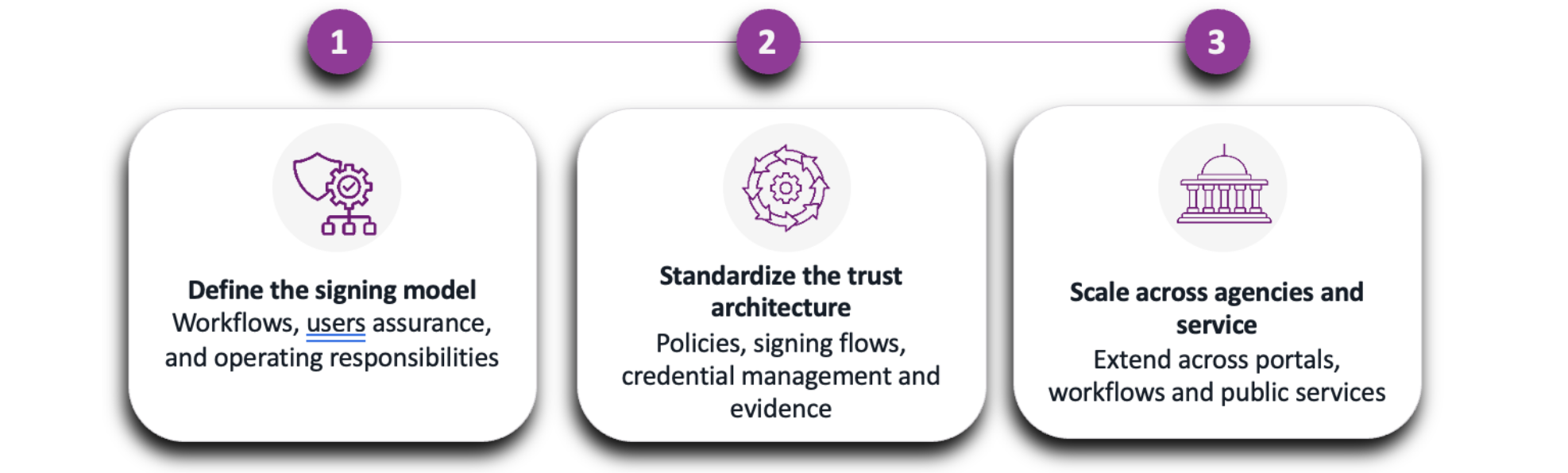
PHASE 1: Define the signing model
Identify the first workflows, user groups, identity sources, assurance levels, document types, sealing needs, evidence requirements, and operational responsibilities.
PHASE 2: Standardize the trust architecture
Create a common model for signing policy, credential lifecycle management, authorization, document visualization, signature creation, sealing, timestamping, logging, and evidence.
PHASE 3: Scale across agencies and services
Extend the signing service to additional agencies, portals, workflows, and system integrator delivery paths while keeping trust controls consistent.
TRUST SERVICE ARCHITECTURES
A Composable Architecture For National Digital Trust
National signing services usually need to connect identity, authorization, document handling, signing, sealing, evidence, and operational controls.
Signer supports that model with modular components that can be integrated into existing public-sector environments.
A typical flow:
1. A citizen, business user, representative, or public employee starts a signing process in a public digital service
2. The service sends the signing request to the national signing infrastructure
3. Existing identity and authorization systems support authentication and signing approval (national eID, identity provider, or digital identity wallet)
4. Signer prepares and visualizes the document for signing
5. Signing credentials, keys, policies, and authorization are managed through the signing platform
6. The signature or seal is created through the remote signing architecture
7. The signed, sealed, and timestamped document is returned to the public-service workflow
8. Logs and supporting evidence are retained according to the operating model
This gives public-sector organizations a repeatable trust path from digital service to legally robust signed document.
Why Cryptomathic Signer
National signing services need a platform built for regulated trust environments, not a lightweight e-signature tool retrofitted for public-sector use.
Cryptomathic Signer is designed for remote digital signatures and seals in high-assurance environments. It supports multiple assurance levels, qualified and advanced signing, organizational sealing, WYSIWYS document visualization, signing credential lifecycle management, standards-based APIs, and flexible deployment models.
For governments, trust service operators, and system integrators, Signer provides a foundation for building trusted signing services into national digital infrastructure.
Turn Signing Into Shared National Trust Infrastructure
Digital public services depend on trust. Citizens, businesses, and agencies need to know that important documents can be signed, sealed, verified, and handled with the right level of assurance.
Cryptomathic Signer helps organizations build that trust into the signing service itself.